




pregnancy companion program
9 months · 5 visitsBest for: women who are pregnant now and want personalized, whole-body support alongside their OB or midwife, from early pregnancy through birth, with attention to the nutrition and foundations that support their baby’s development too.
Your needs and your baby’s needs change constantly across pregnancy. So we test proactively and optimize as you go, not reactively after something’s already off.
Baby’s building blocksThe nutrients your baby is built from+
These are the nutrients your baby is literally built from. Iodine fuels thyroid hormone production, which drives your baby’s brain development. Omega-3s, especially DHA, are structural components of the brain and eyes. Folate and B12 support DNA synthesis and your baby’s developing brain and spine. Vitamin D supports your immune system, mood, and bone health, and your baby’s developing bones and brain; its receptor binds thousands of sites across the genome, influencing the expression of hundreds of genes involved in immunity and cell function. We check these with your baby’s needs in mind, not just yours, and recheck key markers as needs shift, because what was sufficient in the first trimester may not be in the third.
Iron stores ×3The iron reserve baby draws on to build their own+
Your blood volume expands by roughly half during pregnancy, and your baby builds their own iron stores from yours, especially in the third trimester. Ferritin shows your iron reserve and the CBC shows whether you’re heading toward anemia, which can drain your energy right when demands are highest. Low iron stores in pregnancy have been linked to effects on baby’s brain development, so we check once each trimester and adjust support before stores run low.
Micronutrients + mineralsThe minerals baby draws from your stores+
Standard prenatal labs check a handful of nutrient levels. This goes deeper: functional markers showing whether your cells can actually use B vitamins, antioxidants, magnesium, zinc, selenium, and amino acids. Because your needs shift trimester to trimester, knowing functional status, not just blood levels, is how we keep your supplement plan precise instead of generic.
Functional nutrient assessmentWhether your cells are getting what you and baby need+
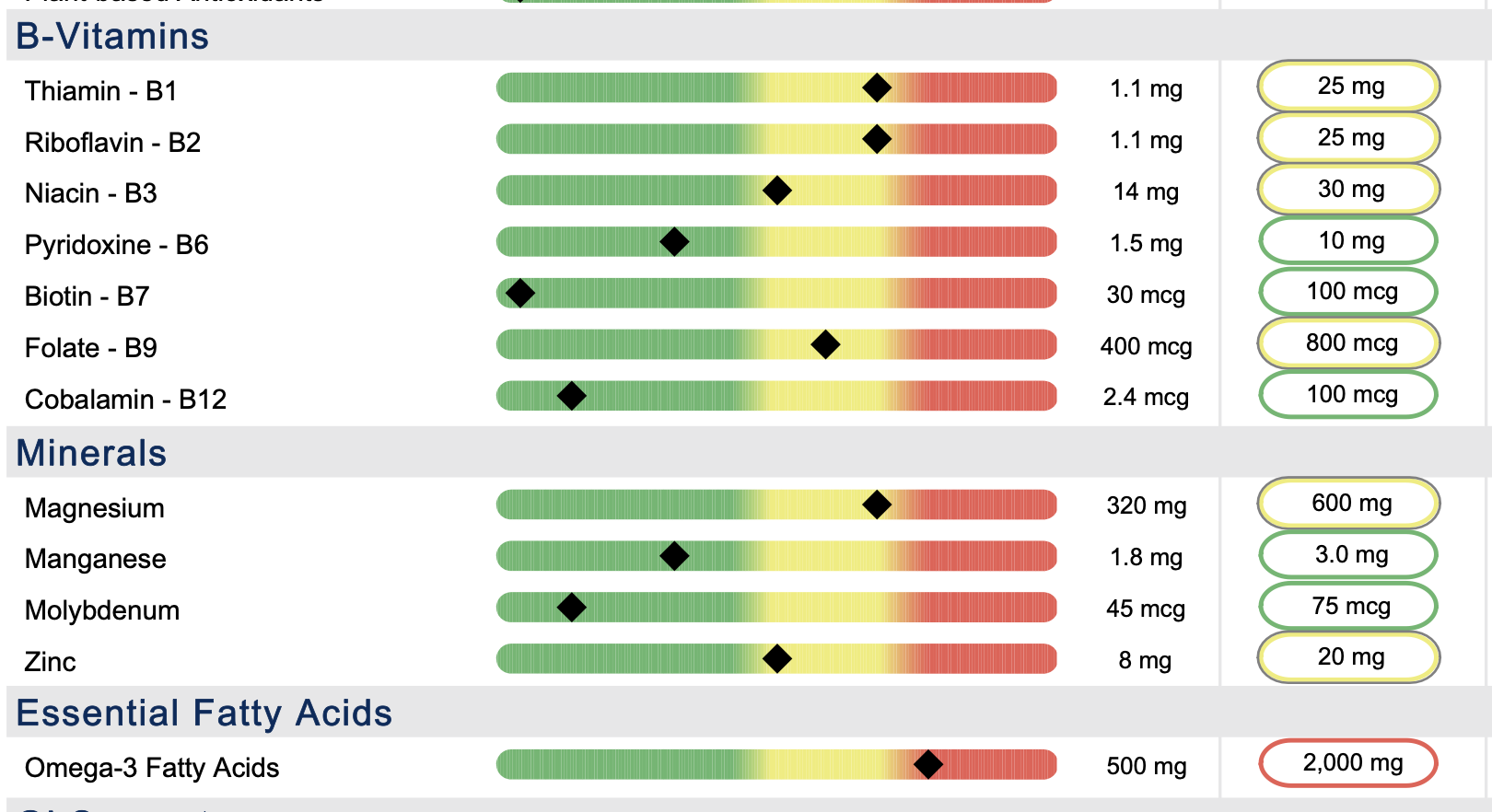
Pregnancy raises your need for nearly every nutrient, and blood levels don’t always show whether your cells are actually using them. A functional assessment looks at markers for B vitamins, antioxidants, amino acids, minerals and essential fatty acids, so we can tailor your prenatal and nutrition plan to what your body needs right now.
Mitochondrial healthPowering you and baby’s rapid growth+
Mitochondria are the energy centers inside your cells, and pregnancy asks more of them than almost anything else, fueling the placenta and your baby’s rapid growth. These organic acid markers show how well your cells are producing energy, and which nutrients they need to keep up.
Environmental exposures + heavy metalsLowering what reaches baby+
Some heavy metals, like lead and mercury, can cross the placenta, and baby’s developing brain and nervous system are especially sensitive to them. Lead stored in your bones over time can also be released during pregnancy as your body draws on calcium. Knowing your levels helps us focus on practical ways to lower exposure, like choosing low-mercury fish, checking your water, and making sure your calcium and iron intake supports you.
Blood sugar + insulin regulationSteady energy for you, steady growth for baby+
Blood sugar and insulin patterns affect your pregnancy and your long-term metabolic health, and they shift as pregnancy progresses. Understanding these patterns early gives us an earlier window into how your body is handling blood sugar, so support can start sooner. This doesn’t replace the standard prenatal glucose screening your OB or midwife performs; it’s a deeper, earlier look that complements it.
Thyroid function ×2Drives baby’s early brain development+
Your thyroid affects your energy, your pregnancy, and your baby’s brain development. Thyroid needs shift during pregnancy, so a single first-trimester snapshot isn’t enough. We retest to make sure support keeps pace with demand.
Thyroid antibodiesEarly signs of immune-driven thyroid changes+
Thyroid antibodies can be present even when thyroid levels look normal, and they’re worth knowing about before and during pregnancy. This is the layer a standard thyroid screen misses.
Inflammation levels ×2A window into how your body is handling pregnancy+
This marker picks up low-grade inflammation that flies under the radar. That kind of quiet inflammation has been linked to pregnancy complications, and it can shift across trimesters, which is why we check it twice. Catching it early means addressing it early.
Gut microbiomeOne of baby’s first microbial exposures+
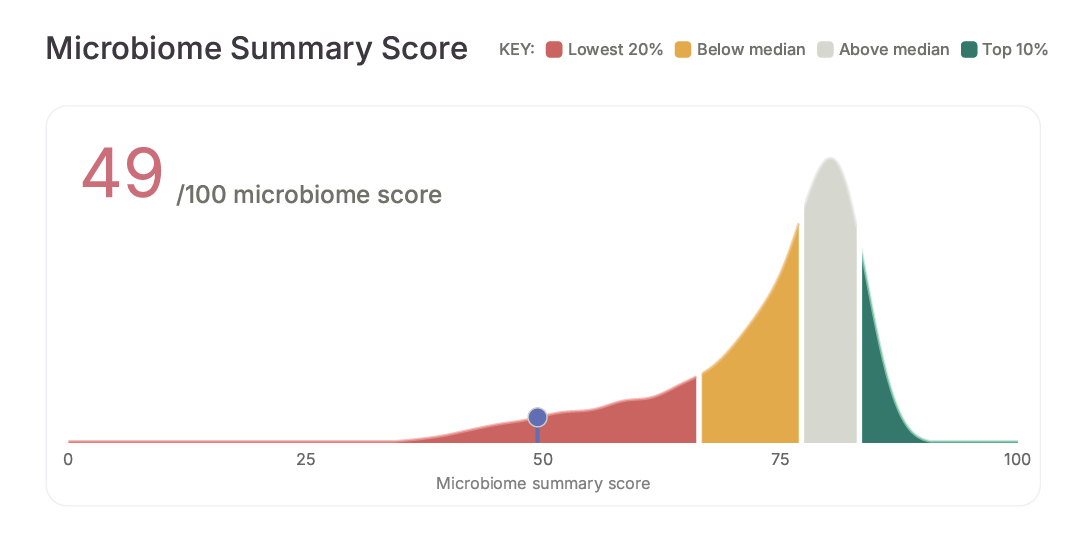
Your gut microbes are among the first to shape your baby’s gut community. Animal research shows maternal immune cells can sample gut bacteria and carry them to the mammary glands and the womb environment during pregnancy, and human studies have found matching bacterial strains in mom’s gut, breast milk, and baby’s stool. That early gut community plays a major role in immunity, digestion, and even mood, and early imbalances have been linked to allergies, asthma, and autoimmune conditions.
Vaginal microbiomeOne of baby’s first microbial exposures+
A balanced vaginal microbiome may help protect against infection during pregnancy. During a vaginal birth, your baby is exposed to your vaginal microbes, and differences in early microbial transfer have been associated with immune development. In a pregnancy program, this one is timed with birth in mind: worth looking at before delivery, not after.
Metabolic healthHow your body is handling pregnancy’s extra load+
Your basic metabolic markers are the foundation everything else builds on. Your kidney and liver markers show how well your body is handling the metabolic load of pregnancy. Baseline and follow-up, so nothing drifts unnoticed.